
Do solar garden lights actually work in winter and on cloudy days?Yes, they can.
But there is an important difference between “can work” and “perform exactly the same as they do on a sunny summer day.”
Solar garden lights need sunlight to charge their batteries during the day. In winter, or during several cloudy and rainy days, the amount of energy collected can be lower.
As a result, the lights may:
Stay on for fewer hours
Become dimmer earlier
Need more time to recharge
Struggle to reach a full charge
Perform differently from season to season
This does not mean solar garden lights are unsuitable for winter.
It means you need to choose the right solar system for the climate, installation location, and expected lighting time.
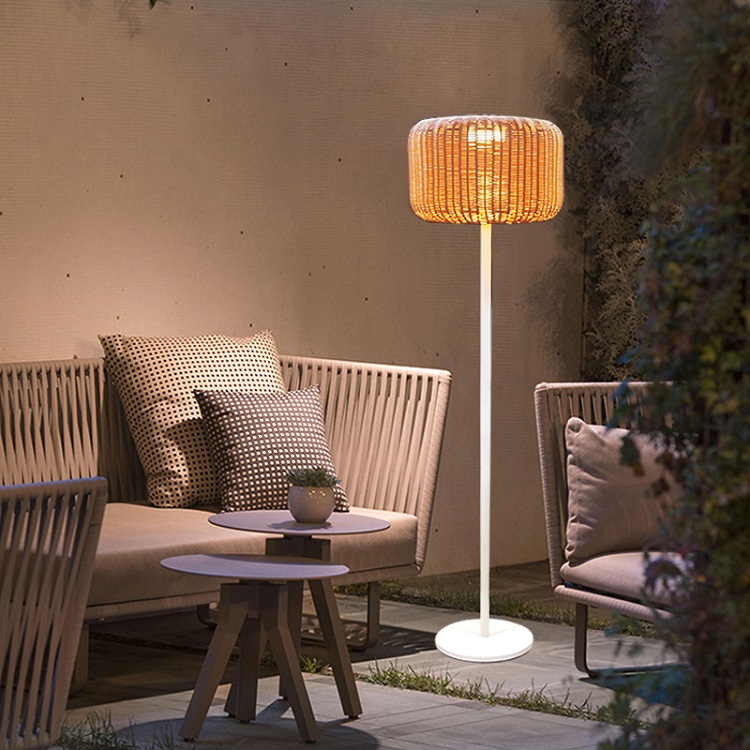
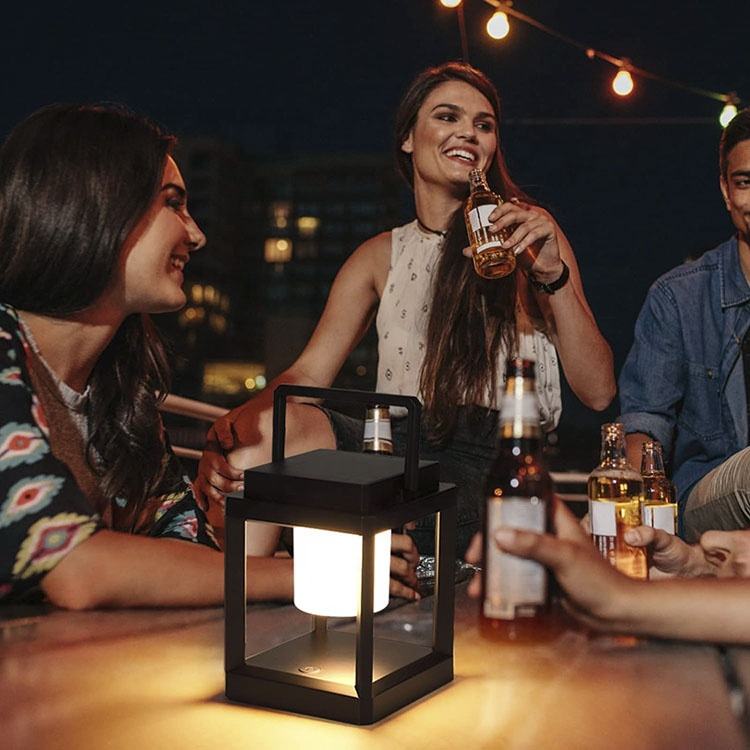
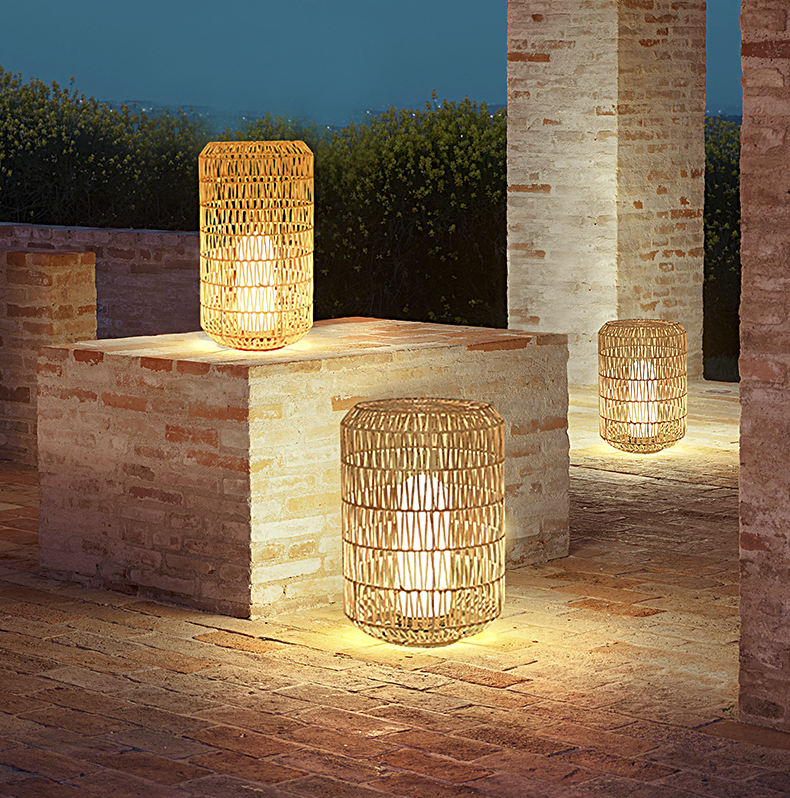
Solar Rattan Lights Customization Portable Outdoor Patio Lights Solar Wicker Garden Lantern
1. Do Solar Garden Lights Work in Winter?
Yes, solar garden lights can work in winter.
The solar panel does not need hot weather to generate electricity. It needs available light.
However, winter conditions can make charging more difficult.
There are several reasons.
Shorter Daylight Hours
In many locations, winter has fewer hours of usable daylight.
This gives the solar panel less time to collect energy.
Lower Sun Position
The sun is often lower in the sky during winter.
Depending on the installation location and panel angle, the solar panel may receive less direct sunlight.
Cloudy Weather
Winter can also bring more cloudy or rainy days.
Cloud cover reduces the amount of solar energy reaching the panel.
Snow or Dirt on the Panel
If snow, leaves, dust, or other debris cover the panel, charging efficiency can be reduced.
So the issue isn’t simply “cold weather.”
The bigger issue is usually how much usable sunlight reaches the solar panel.
2. Do Solar Garden Lights Work on Cloudy Days?
Yes.
A solar panel can still generate electricity under cloudy conditions.
However, the amount of energy collected is usually lower than under strong direct sunlight.
This creates an important difference between:
A cloudy day
and
several consecutive cloudy days.
One cloudy day may only reduce the amount of energy stored in the battery.
But if the solar panel receives limited sunlight for several days in a row, the battery may not fully recharge.
The light may then stay on for fewer hours at night.
For example:
Sunny day → high charging → longer nighttime operation
Cloudy day → lower charging → shorter nighttime operation
Several cloudy days → insufficient charging → significantly shorter runtime
This is why solar garden light performance should not be judged from a single day.
3. Why Does Winter Affect Solar Garden Light Performance?
The main reason is energy balance.
During the day:
Solar panel → collects energy → battery stores energy
At night:
Battery → supplies energy → LED produces light
For the system to work well, the energy collected during the day needs to be enough to support the required nighttime lighting.
In summer, a solar panel may have plenty of energy available.
In winter, the energy collected can be lower.
If the light requires more energy than the system can collect and store, nighttime runtime will decrease.
This is particularly important for brighter decorative products.
A small pathway light may continue working reasonably well.
A large RGB garden ball running at high brightness has a different energy requirement.
4. What Parameters Determine Winter Performance?
If you are buying solar garden lights for year-round outdoor use, don’t focus only on the LED.
Look at the complete power system.
1. Solar Panel Power
The solar panel determines how much energy can be collected during daylight.
Check:
Panel type
Panel size
Rated power
Charging efficiency
Installation angle
Shading conditions
A properly sized panel can help compensate for lower solar availability.
2. Battery Capacity
The battery stores energy for nighttime operation.
A larger battery can store more energy, but it also needs enough solar charging capacity to recharge properly.
So:
Large battery + small solar panel ≠ automatically better performance.
The solar panel and battery need to be properly matched.
3. LED Power
The LED determines how much energy is consumed while the light is operating.
A low-power decorative light may require relatively little energy.
A brighter RGB, RGBW, or Dazzling light may require more.
If winter operation is important, the LED power should be considered together with the solar panel and battery.
4. Lighting Mode
Lighting mode can have a significant effect on energy consumption.
For example:
Static warm white
Static color
RGB color changing
RGBW
Dazzling effects
Maximum brightness
These modes may not consume the same amount of energy.
If a supplier gives you a runtime figure, ask:
“Which lighting mode was used for the test?”
5. What About Snow, Rain and Low Temperatures?
Winter performance involves more than sunlight.
Snow
If snow covers the solar panel, sunlight cannot reach the photovoltaic surface effectively.
The panel should be kept clear.
Rain
Rain itself does not stop a properly designed outdoor solar light from working.
However, rainy weather is often associated with heavy cloud cover and reduced solar charging.
This can affect the battery’s stored energy.
Low Temperatures
Cold weather can also affect battery performance depending on the battery technology and product design.
This is particularly important for projects in areas with very cold winters.
Therefore, buyers should ask the supplier whether the battery system is suitable for the expected temperature range.
6. What Can You Do to Improve Winter Performance?
There are several practical steps.
Install the Solar Panel in a Better Position
Avoid locations blocked by:
Buildings
Trees
Walls
Roof structures
Large garden features
Even partial shading during important charging hours can affect performance.
Keep the Panel Clean
Dust, leaves, bird droppings, and other debris can reduce the amount of light reaching the panel.
Regular cleaning can help maintain charging performance.
Match the Battery to the LED
If you want long nighttime operation, make sure the battery capacity is suitable for the actual LED power and lighting mode.
Choose an Appropriate Solar Panel
A stronger solar panel may collect more energy during limited sunlight conditions, provided the system is properly designed.
Reduce Lighting Power When Necessary
If the product supports different brightness levels, reducing brightness can extend nighttime operation.
For example, a light may operate longer at a moderate brightness than at maximum output.
7. What Are the Best Real-World Applications?
Solar garden lights can still be useful in winter and cloudy conditions, especially when the lighting requirement is decorative rather than highly demanding.
Garden Pathways
Pathway lights usually require relatively low power.
They can be a practical application for solar lighting.
Parks and Landscape Areas
Solar lighting can reduce the need for extensive underground wiring.
This can be useful in large outdoor areas.
Hotel Gardens
Solar lights can work well in decorative landscape zones.
For hotel restaurants, entrances, or areas requiring guaranteed lighting hours, plug-in lights may be more suitable.
Residential Gardens
Homeowners may accept some seasonal variation in runtime.
Solar lights can provide decorative lighting without needing electrical wiring throughout the garden.
Restaurant and Resort Landscapes
A mixed system can be useful.
Solar lights can be installed in landscape areas, while plug-in lighting can be used in dining areas and entertainment spaces.
8. What Should You Ask Your Supplier Before Buying?
If you plan to use solar garden lights throughout the year, ask these questions.
About Solar Charging
What is the solar panel power?
What are the panel dimensions?
How many hours of sunlight are recommended?
Does the system charge on cloudy days?
About the Battery
What battery type is used?
What is the battery capacity?
Is the battery replaceable?
What temperature range is recommended?
How long is the expected battery service life?
About Runtime
How many hours does the light operate after a full charge?
What lighting mode was used during the test?
What brightness level was used?
What happens after several cloudy days?
Is winter performance tested?
About Outdoor Conditions
What is the IP rating?
Can the product withstand rain?
Is the solar panel waterproof?
Is the battery compartment protected?
Is the product suitable for year-round outdoor installation?
These questions give you a much more realistic picture than simply asking:
“Does it work in winter?”
9. How Should You Test Solar Garden Lights for Winter Use?
If you are buying for a commercial project, sample testing is highly recommended.A useful test should include:
Step 1: Fully Charge the Battery
Start with a known battery condition.
Step 2: Install the Product Outdoors
Use the same type of location where the final product will be installed.
Step 3: Use the Actual Lighting Mode
If the final project uses RGBW, test RGBW.If it uses Dazzling effects, test Dazzling.
Step 4: Record Runtime
Record when the light turns on and when it turns off or becomes noticeably dim.
Step 5: Test Different Weather Conditions
If possible, compare:
Sunny day
Cloudy day
Rainy day
Several consecutive cloudy days
This gives you a much better understanding of actual performance.
10. Should You Choose Solar Garden Lights for a Cloudy Climate?
It depends on your expectations.Solar garden lights can still be a good choice if:
You want minimal wiring
The lighting is mainly decorative
The installation area receives reasonable daylight
Some seasonal variation is acceptable
The solar system is properly sized
You may want to consider plug-in lighting if:
You need guaranteed daily operating hours
The area receives very little sunlight
The project uses high-power lighting
You need high brightness for many hours
You rely heavily on RGBW or Dazzling effects
The lighting is critical to commercial operations
For some projects, the best solution is not choosing one or the other.It is using both.
Final Thoughts
So, do solar garden lights actually work in winter and on cloudy days?Yes, they can.But their performance depends heavily on how much solar energy the system can collect and store.Winter and cloudy weather can reduce charging, which may lead to shorter nighttime runtime.The most important factors include:
Solar panel power
Battery capacity
LED power
Lighting mode
Sunlight availability
Panel position
Weather
Temperature
Installation environment
A good solar garden light should be selected based on the actual climate and application, not just the advertised runtime on the product page.For low-power pathway and landscape lighting, solar can remain a practical choice even when sunlight is not perfect.For high-power decorative lighting, restaurants, hotels, resorts, and projects that require predictable nighttime operation, compare solar with plug-in lighting before making the final decision.The key question is not:“Does solar lighting work in winter?”It is:“Can this solar system collect enough energy in my location to provide the lighting performance I need?”That is the question buyers and suppliers should answer together.
Related Reading:
How Many Hours Do Solar Garden Lights Really Stay On at Night?
Solar vs Plug-In LED Garden Lights: Which Is Right for Your Project?
What IP Rating Should Outdoor LED Garden Lights Have?
RGB vs RGBW vs Dazzling Garden Lights: Which Is Better?
What Specifications Should You Check Before Buying LED Garden Lights?
Post time: Oct-09-2026