
Outdoor decorative garden lights should be bright enough to make a space visible and inviting—but not so bright that they ruin the atmosphere.
Sounds simple, right?
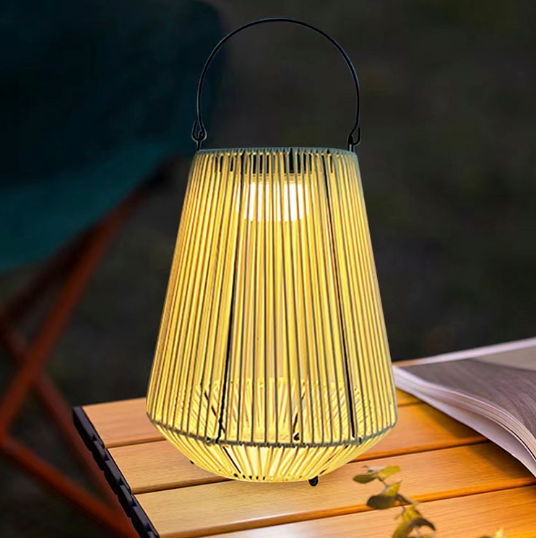
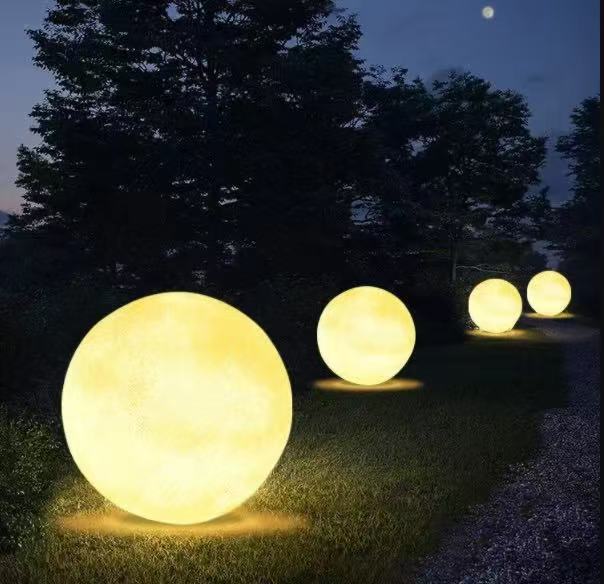
In practice, choosing the right brightness can be surprisingly tricky. A garden pathway needs a different amount of light from a hotel terrace, while a decorative glowing ball may need less brightness because its main purpose is to create atmosphere rather than illuminate a large area.
So, how bright should outdoor decorative garden lights be?
The answer depends on what you want the light to do.
What Does “Brightness” Mean in Garden Lighting?
When comparing LED garden lights, you may see terms such as lumens, watts, and color temperature.
They don’t mean the same thing.
Lumens (lm) measure the amount of visible light produced by a lamp. Generally, a higher lumen output means a brighter light.
Watts (W) measure electrical power consumption. With LED technology, wattage does not directly tell you how bright a light will be.
That’s why it is better to compare lumens when evaluating brightness.
For example, two LED garden lights can have similar wattage but produce different amounts of light depending on their LED efficiency and design.
How Bright Should Decorative Garden Lights Be?
There is no universal brightness level for every garden.
For decorative applications, the light usually does not need to be extremely bright.
The purpose is often to create a soft visual effect, highlight plants or architectural features, or make a seating area feel more welcoming.
As a general guide:
Small decorative accent light:50–150 lm
Garden pathway light:100–300 lm
Flower bed or plant lighting:100–300 lm
Decorative garden ball:100–500 lm
Patio or terrace lighting:200-800lm
Larger outdoor decorative fixture:500–1,000+ lm
These are general ranges rather than strict rules. The actual requirement depends on fixture size, diffuser material, spacing, mounting height, and the surrounding environment.
For decorative garden lights, more light is not automatically better.
1. Garden Pathways Need Functional Light
Pathway lighting has a practical job.
People need to see where they are walking, especially after dark.
If the light is too dim, steps, edges, plants, and changes in ground level may be difficult to see.
However, excessive brightness can create glare and make the surrounding garden feel harsh.
For pathways, focus on even light distribution rather than simply chasing the highest lumen figure.
Several moderately bright lights placed at suitable intervals may work better than a few extremely bright fixtures.
2. Decorative Garden Balls Can Be Softer
A glowing garden ball is slightly different.
Its main purpose may be decoration rather than illuminating a pathway.
Because the entire surface can glow, even moderate LED output can create a noticeable visual effect.
The material also matters.
A translucent PE diffuser, for example, can spread light across the surface and create a soft, uniform glow.
This is why you shouldn’t judge a decorative garden light by LED wattage alone.
The size, shape, diffuser, and light distribution all affect how bright the product appears.
3. Patios and Outdoor Dining Areas Need More Light
Outdoor dining areas usually require a balance between atmosphere and visibility.
Guests need enough light to see their food, drinks, tables, and surroundings.
At the same time, nobody wants a restaurant terrace that feels like a brightly lit parking lot.
For this type of space, consider using several layers of lighting:
- Decorative garden lights
- Table or pendant lighting
- Pathway lights
- Architectural lighting
- Accent lighting
The decorative lights don’t have to provide all the illumination.
Their job can be to add warmth and visual interest while other fixtures provide functional lighting.
Does Color Temperature Affect Perceived Brightness?
Absolutely.
Color temperature is measured in Kelvin (K).
Warm white light, usually around 2700K–3000K, creates a softer and more relaxing feeling.
Cooler white light, such as 4000K and above, tends to look brighter and more neutral.
This doesn’t necessarily mean that a higher Kelvin value produces more lumens.
It simply changes how the light appears to the human eye and how the space feels.
For gardens, hotels, restaurants, and outdoor leisure areas, warm white lighting is often preferred when the goal is a comfortable and relaxing atmosphere.
What About RGB Garden Lights?
RGB LED garden lights provide another possibility.
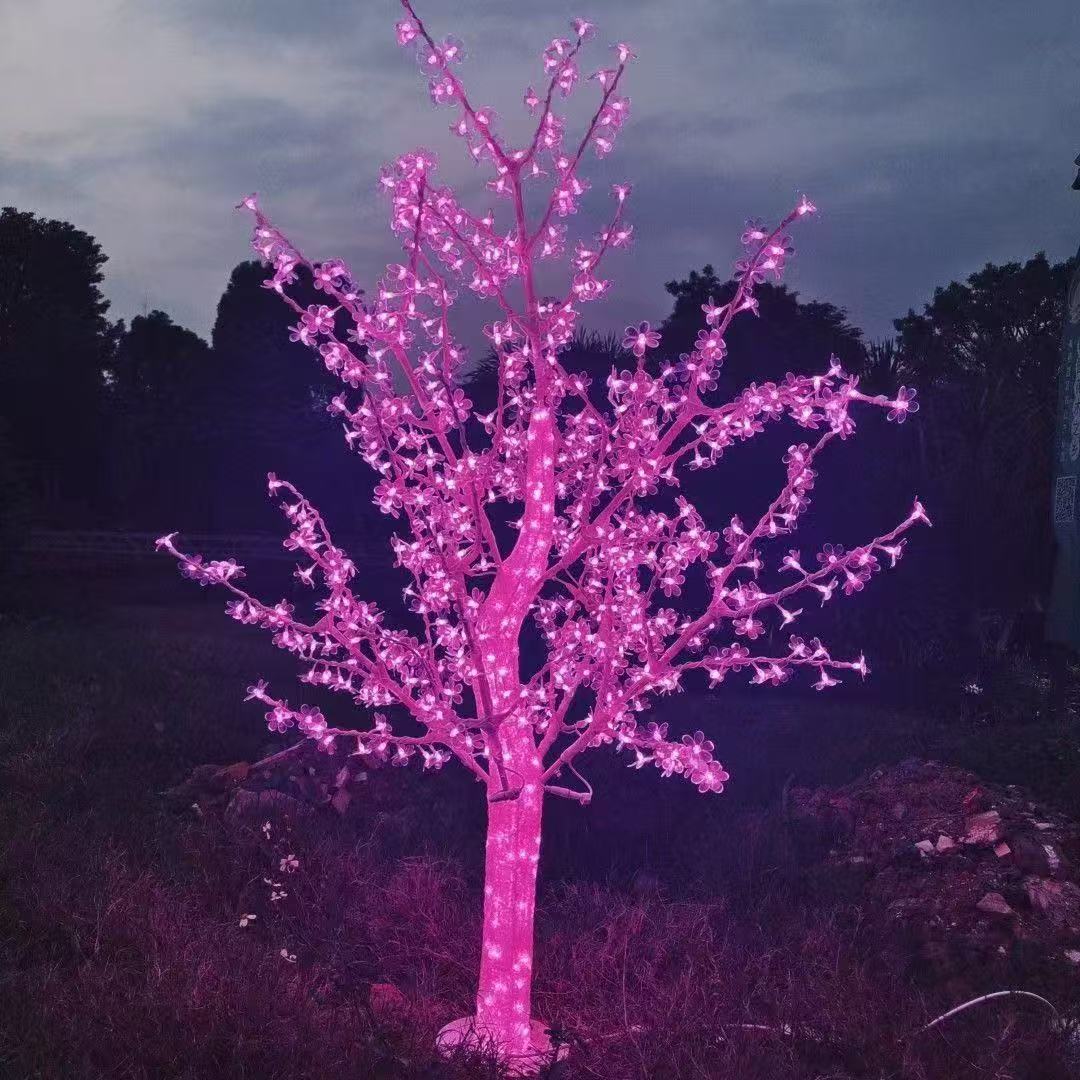
Instead of producing only white light, RGB fixtures can create different colors for decorative effects.
They can be useful for:
- Hotels and resorts
- Restaurants and bars
- Outdoor events
- Poolside areas
- Landscaped gardens
- Festivals and celebrations
With RGB lighting, brightness still matters, but the visual effect is also influenced by the selected color.
For example, a blue or purple setting may look very different from white light at the same output level.
Is a Brighter Garden Light Always Better?
Not really.
This is one of the most common mistakes when buying outdoor decorative lighting.
Too little light can make a space feel dark and unsafe.
Too much light can create glare, flatten the visual appearance of the garden, and overpower other landscape features.
Think of garden lighting like seasoning food.
A little can bring everything together.
Too much can cover up the flavor.
The goal is balance.
What Factors Affect How Bright a Garden Light Looks?
The stated lumen output is important, but several other factors affect perceived brightness.
Fixture Size
A larger glowing fixture can spread light over a wider surface.
Diffuser Material
Different materials transmit and diffuse LED light differently.
Light Distribution
A focused beam and an evenly glowing surface can produce very different visual effects.
Installation Height
A higher fixture spreads light over a larger area, while a lower fixture creates a more concentrated effect.
Spacing
The distance between lights affects how evenly the area is illuminated.
Surrounding Environment
A dark garden may appear much brighter than the same lamp installed beside strong building lighting.
How Can You Avoid Over-Lighting a Garden?
Good outdoor lighting should work with the landscape, not fight against it.
A useful approach is to divide the space into different lighting zones.
For example:
Pathways: functional and comfortable light.
Plants: softer accent lighting.
Seating areas: warmer and slightly brighter light.
Decorative features: focused or colorful lighting.
This creates depth and makes the garden more visually interesting.
Instead of making every light equally bright, let each fixture have a specific job.
What Should You Check Before Buying?
When comparing outdoor decorative garden lights, don’t look at brightness alone.
Check:
- Lumens
- LED power
- Color temperature
- RGB or single-color lighting
- Beam or light distribution
- Diffuser material
- Fixture size
- IP rating
- Installation height
- Recommended spacing
For outdoor projects, also consider UV resistance and the expected operating environment.
A beautiful garden light that cannot handle the local weather is not much of a bargain.
Final Thoughts
So, how bright should outdoor decorative garden lights be?
There is no single number that works for every application.
For decorative accents, softer light may be enough. Pathways need more functional illumination, while patios and outdoor dining areas often require a combination of decorative and practical lighting.
The most important point is to consider the whole lighting environment.
Look at lumens, color temperature, diffuser material, fixture size, spacing, and installation height—not just wattage.
And remember, outdoor lighting isn’t a competition to see who can make the brightest garden.
Sometimes the most beautiful garden is the one where the light knows when to stay subtle.
FAQ
How many lumens are good for outdoor decorative garden lights?
Small decorative lights may work well around 50–150 lumens, while larger fixtures and outdoor areas may need 200–800 lumens or more. The right level depends on the application and fixture design.
Are 100 lumens enough for garden lights?
100 lumens can be suitable for small decorative accents, flower beds, and some garden features. It may not provide enough functional lighting for pathways or larger outdoor areas.
What color temperature is best for decorative garden lights?
Warm white around 2700K–3000K is often suitable for gardens, patios, restaurants, and hotels because it creates a softer and more relaxing atmosphere.
Should outdoor decorative garden lights be very bright?
Not necessarily. Excessive brightness can create glare and make a garden feel harsh. Decorative lighting usually works best when brightness is balanced with the surrounding landscape.
Do LED garden lights use watts to measure brightness?
Watts measure power consumption, not brightness. Lumens are a better specification for comparing how much visible light an LED garden light produces.
CTA
Looking for outdoor decorative garden lights with the right brightness, size, color, and lighting effect?
Contact us to discuss your garden, hotel, restaurant, landscaping, or outdoor lighting project.
Related Reading:
How Long Do Outdoor LED Garden Lights Usually Last?
What IP Rating Should Outdoor LED Garden Lights Have?
How to Choose the Right Heater Lamp for an Outdoor Dining Area
What Specifications Should You Check Before Buying LED Garden Lights?
What Materials Are Best for Outdoor LED Garden Lights?
Post time: Sep-11-2026